Key Takeaways From Our Local Team
- ✓ March to May offers the most dramatic, thundering curtain of water and vibrant lunar rainbows.
- ✓ June to August balances impressive waterfall flow with crisp winter sunshine and great Chobe safaris.
- ✓ September to November is best for white-water rafting, Livingstone Island & Devil’s Pool, and peak Hwange elephant sightings.
Every season in Victoria Falls delivers a completely different personality. Because the Zambezi River relies on rainfall across the upper Barotse floodplains in Zambia and Angola, peak water flow at Victoria Falls actually arrives months after the local rains end.
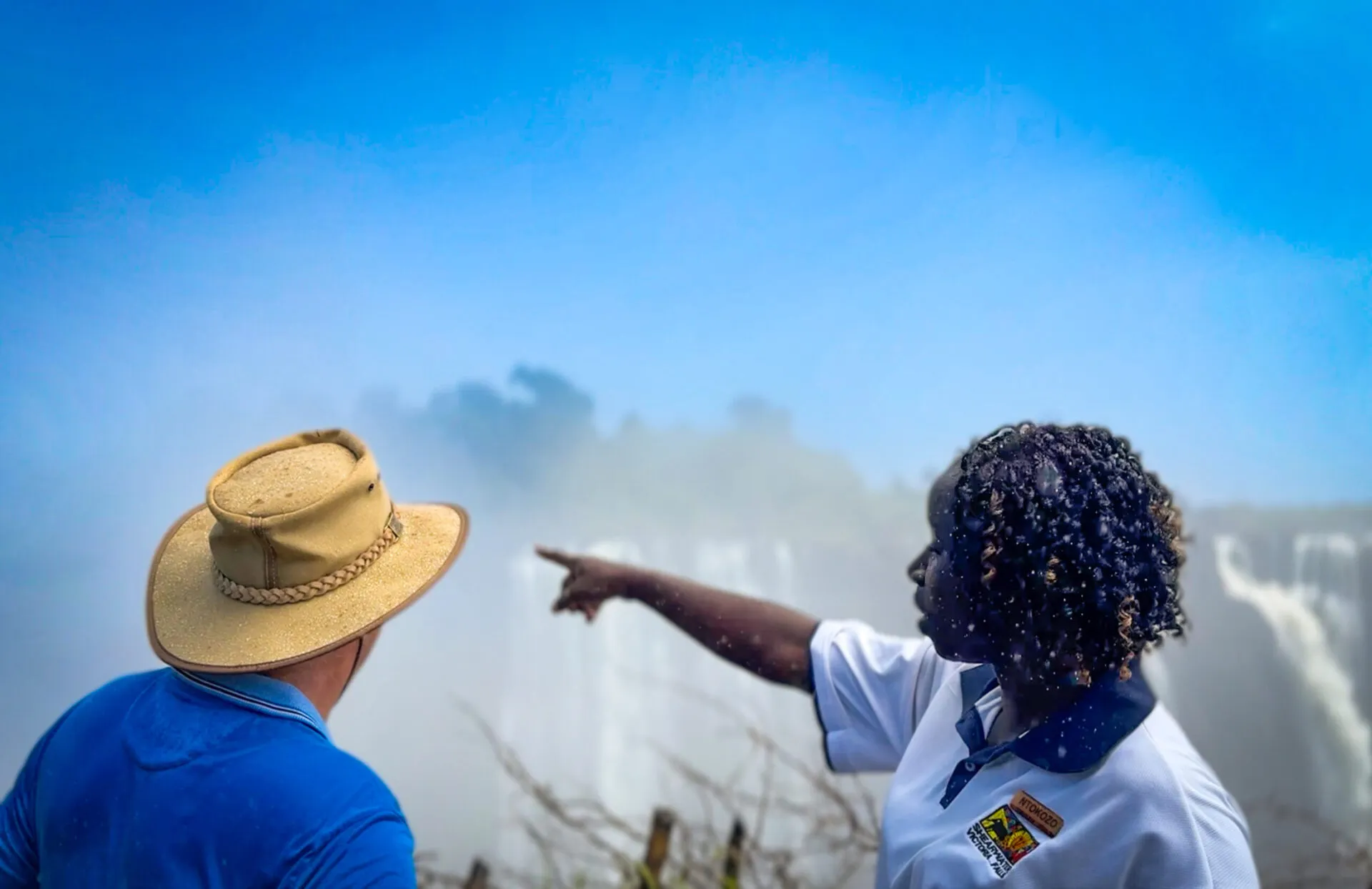
High-Water Season (February to May): Maximum Thunder & Mist By March and April, over 500 million litres of water plunge into the Batoka Gorge every single minute. Standing opposite the Main Falls and Horseshoe Falls feels like standing inside a tropical monsoon—expect soaking mist, towering spray columns visible from 30 km away, and dazzling double rainbows. Scenic helicopter flights ('Flight of Angels') are extraordinary during this window.
Transition & Emerald Season (June to August): The Best All-Round Balance If you want both a roaring curtain of water and clear, sunny visibility for photography, June and July are hard to beat. Daytime temperatures hover around a pleasant 25°C (77°F), nights are crisp, and wildlife begins congregating along the Zambezi River and Chobe Riverfront.
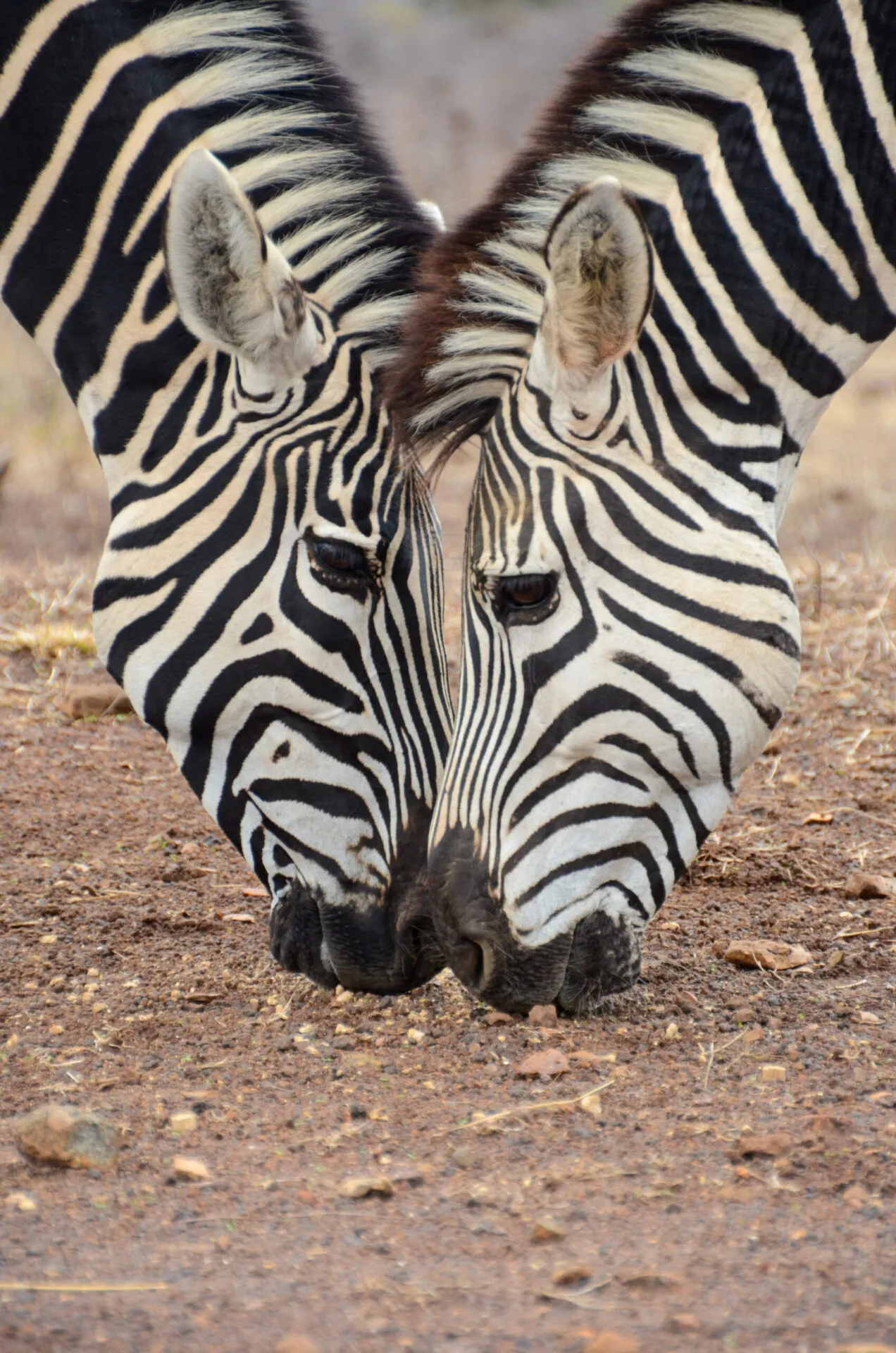
Low-Water & Safari Peak (September to November): Adrenaline & Big Game As water levels recede along the eastern cataract, the geological scale of the basalt canyon reveals itself. This is the exclusive window for white-water rafting in the Batoka Gorge and swimming on the edge at Devil’s Pool. Simultaneously, dry bushveld conditions mean hundreds of elephants gather daily at waterholes in Hwange National Park and Victoria Falls Safari Lodge.
Written by Local Specialists
Simba & Outbound Specialist Desk
Based in Victoria Falls, Zimbabwe • Verified Local Travel Desk